
Advertisement
If you're searching for nandina alternatives, here's my honest answer: yes, you should absolutely swap out that heavenly bamboo for something better. I've seen this plant escape gardens and invade forests firsthand, and I've heard heartbreaking stories from wildlife rehabbers about birds dying after eating those red berries. So when people ask me “What should I plant instead of nandina?”, I point them straight to native shrubs like wax myrtle, Florida anise, grape holly, yaupon holly, or juniper. These heavenly bamboo replacements give you the same year-round beauty — spring blooms, fall color, winter berries — without the toxicity or the constant battle with suckers. In this article, I'll help you pick the right one for your yard and show you exactly how to make the switch painlessly.
E.g. :How to Make a Pumpkin Bird Feeder in 5 Easy Steps
- 1、Heavenly Bamboo Replacement
- 2、What to Plant Instead of Nandina
- 3、Heavenly Bamboo vs. Native Alternatives: A Quick Comparison
- 4、Common Misconceptions About Heavenly Bamboo
- 5、How to Remove Nandina and Start Fresh
- 6、Final Thoughts on Choosing Nandina Alternatives
- 7、Why Your Landscape Deserves Better Than Nandina
- 8、Native Shrubs That Outperform Heavenly Bamboo in Every Way
- 9、Beyond the Basics: Less Common Nandina Alternatives Worth Considering
- 10、Heavenly Bamboo vs. Top Alternatives: A Detailed Comparison
- 11、Common Mistakes People Make When Choosing Nandina Alternatives
- 12、Real Success Stories: Yards Transformed by Native Alternatives
- 13、Taking the First Step: Your Action Plan
- 14、The Bottom Line on Nandina Alternatives
- 15、FAQs
Turn any corner on any residential street and you'll see Nandina shrubs growing. Sometimes called heavenly bamboo, this easy-to-grow bush is used often in USDA zones 6 to 9 as an ornamental. With late spring blooms, scarlet foliage in autumn, and red berries in winter, it has three seasons of interest. It is evergreen or semi-evergreen but is also, unfortunately, an invasive exotic. It is toxic to wildlife, and sometimes fatal to unsuspecting birds.
So, why is everyone suddenly ripping out their heavenly bamboo and searching for nandina alternatives? It comes down to two big issues: invasiveness and toxicity. You might be thinking, “It's just a plant, how bad can it be?” Well, let me walk you through the real story and show you some beautiful alternatives to heavenly bamboo that will make your yard safer and healthier. I've seen a lot of yards in my time, and I can tell you — making the switch is one of the best decisions you can make for your landscape.
Heavenly Bamboo Replacement
Why I Stopped Recommending Nandina
For years, I planted nandina without a second thought. It looked great, stayed green, and needed almost no care. But I started noticing something troubling in my local woods.
Nandina was popping up everywhere — far from any garden. I'd see it pushing out native plants like spicebush and dogwood. That's when I dug into the research. Nandina domestica is officially listed as an invasive exotic in many states, from Texas to Virginia. It forms dense thickets that crowd out the understory plants our local insects and birds depend on. I realized I was contributing to the problem. That's a hard pill to swallow, especially when you're supposed to be the expert. Now, I make it a point to recommend native alternatives to heavenly bamboo that support the local ecosystem instead of damaging it. I want you to avoid making the same mistakes I did. Your yard can be beautiful without harming the environment.
The Real Cost of Planting Nandina
You might think a non-native plant that stays small is harmless. But the costs add up quickly — both for you and the environment.
Let's talk about maintenance. Nandina spreads through suckers and rhizomes. You'll spend hours every year pulling up new shoots that pop up far from the original plant. I've seen yards where nandina completely took over a flower bed within three years. If you ever want to remove it, good luck. The root system is tough and deep. You'll be digging for days. And then there's the environmental cost. According to the USDA Forest Service, nandina is considered a severe threat in the Southeast. It escapes into forests and displaces native plants. Finding a heavenly bamboo replacement now saves you from this headache later. Trust me, your future self will thank you for choosing a better option today. You don't want to deal with the constant battle of keeping it contained.
What to Plant Instead of Nandina
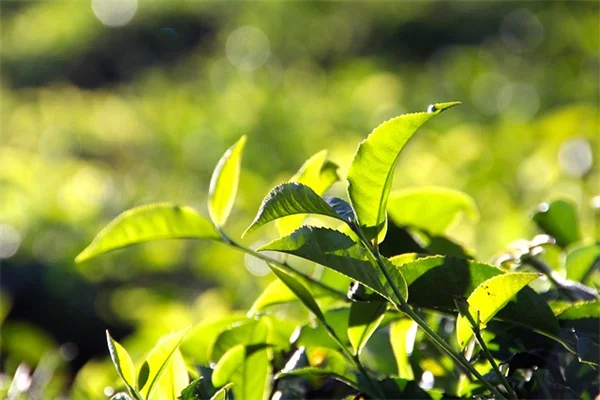 Photos provided by pixabay
Wax Myrtle (Myrica cerifera)
Wax myrtle is a powerhouse shrub that I absolutely love. It stands up to tough conditions, even salt spray near the beach. Plus, it grows fast.
This is one of the best nandina alternatives for a few reasons. First, it's a native plant that supports local wildlife. Birds love the bluish-grey berries. Second, it has a long history of human use. Early settlers boiled the berries to make wax for candles. How cool is that? You can grow it in full sun to partial shade, and it adapts to most soil types. Wax myrtle reaches about 10 to 15 feet tall, making it a great choice for a privacy hedge or a backdrop in your garden. It's evergreen, so you get that year-round interest nandina promises, but without the invasive behavior. If you're looking for what to plant instead of nandina that offers real benefits, this is a top contender. I've planted it in dozens of yards, and it always performs well.
Florida Anise (Illicium floridanum)
This is an often forgotten native that deserves way more attention. Its dark evergreen leaves and unusual reddish star-shaped blooms always catch people's eyes.
Florida anise is a fantastic heavenly bamboo replacement for shady, wet spots. While nandina struggles in consistently wet soil, Florida anise thrives in it. It grows dependably in USDA zones 7 through 10. The foliage is fragrant when you crush it, which adds another sensory layer to your garden. I've planted this in several clients' yards, and it always becomes a conversation starter. The star-shaped flowers appear in late spring and early summer. It's a low-maintenance shrub that doesn't sucker or spread aggressively. You can plant it in mass groupings or use it as a specimen plant. It's a reliable, beautiful choice that supports the local ecosystem rather than harming it. If you have a wet, shady area, this is the nandina alternative you need.
Grape Holly (Mahonia spp.)
Grape holly is one of the most interesting shrubs you can grow. The Oregon grape variety is native to zones 5 to 9, and it offers incredible seasonal changes.
Leaves emerge in spring with a lovely reddish bronze color, turning green by summer. Fragrant yellow flowers appear in late winter, becoming bluish-black grape-like berries by summer. Birds safely eat these berries — unlike nandina berries, which can kill them. I recommend grape holly as a nandina alternative because it mimics the look of nandina so closely. The compound leaves and upright growth habit are very similar. But grape holly doesn't escape cultivation and invade natural areas. It's a well-behaved, beautiful shrub. You can grow it in part shade to full shade. It's also deer-resistant, which is a huge bonus for many homeowners. If you're looking for what to plant instead of nandina that offers the same aesthetic, this is it. You won't be disappointed.
 Photos provided by pixabay
Wax Myrtle (Myrica cerifera)
Yaupon holly is a classic native shrub that readily replaces nandina. It doesn't get too big, and it offers a range of cultivars to fit your space.
This is one of the most versatile alternatives to heavenly bamboo. You can find dwarf cultivars that stay compact, or let it grow into a small tree if you prefer. The bright red berries are safe for birds and mammals to eat. In fact, yaupon holly is a keystone species in some ecosystems. It supports a wide range of wildlife. The foliage is evergreen, giving you that winter interest nandina promises. Yaupon holly is also incredibly tough. It tolerates drought, salt spray, and poor soils. It grows in USDA zones 7 to 10. I've seen it planted in parking lots and residential gardens alike, and it performs beautifully in both. It's a reliable, low-maintenance choice. You can't go wrong with yaupon holly as a heavenly bamboo replacement.
Juniper (Juniperus spp.)
Junipers are available in a mind-boggling variety of sizes, shapes, and shades of green. They offer evergreen foliage and berries that birds love to eat.
Junipers are native to many places in the Northern Hemisphere, including North America. They are incredibly adaptable and tough. I often recommend junipers as a heavenly bamboo replacement for people who want a low-maintenance, drought-tolerant shrub. They don't need much water once established, and they thrive in full sun. The berries are a valuable food source for birds in the winter. You can choose from groundcover varieties to upright shrubs that reach 10 feet tall. One thing to keep in mind: junipers prefer well-drained soil. They don't like wet feet. If you have a sunny, dry spot in your yard, a juniper is a perfect native alternative to nandina. I've used them in rock gardens and foundation plantings alike.
Heavenly Bamboo vs. Native Alternatives: A Quick Comparison
Side-by-Side Look at Berries and Foliage
Can a true heavenly bamboo replacement really offer the same year-round beauty? Let's compare them side-by-side so you can see for yourself.
When you look at nandina, the big selling points are the red berries in winter, the red foliage in fall, and the evergreen leaves. Native alternatives actually match or exceed these features. Wax myrtle offers evergreen leaves and bluish-grey berries that birds love. Grape holly offers red-bronze new growth, yellow flowers, and blue-black berries. Yaupon holly offers red berries that are even more attractive to birds than nandina's. And none of them come with the toxic side effects. Here's a quick comparison table so you can see how they stack up against each other.
| Feature | Heavenly Bamboo (Nandina) | Wax Myrtle | Grape Holly | Yaupon Holly |
|---|---|---|---|---|
| Evergreen Foliage | Yes | Yes | Yes (semi-evergreen in cold zones) | Yes |
| Berry Color | Bright Red | Bluish-grey | Blue/Black | Bright Red |
| Wildlife Value | Low (Toxic to birds) | High (Supports butterflies & birds) | High (Birds safely eat berries) | High (Birds & mammals eat berries) |
| Invasive Potential | High (Escapes cultivation) | Low (Native to US) | Low (Native to US) | Low (Native to US) |
| USDA Zones | 6-9 | 7-10 | 5-9 | 7-10 |
As you can see, the native options offer superior wildlife value without the invasive risk. You don't have to sacrifice beauty to make a responsible choice. In fact, I'd argue you get more beauty from these natives because they support a living, dynamic ecosystem in your yard. You get to watch butterflies, bees, and birds thrive.
 Photos provided by pixabay
Wax Myrtle (Myrica cerifera)
Another big factor is how much work you want to put into maintaining your shrubs. Nandina is marketed as low-maintenance, but the sucker removal is a hidden chore.
Let's be honest: pulling up nandina suckers is not fun. You have to stay on top of it every year, or it will spread into your lawn and flower beds. Native alternatives like wax myrtle and yaupon holly don't have this aggressive spreading habit. They grow in a clump or a single trunk, staying where you plant them. They also don't require heavy pruning to look good. I've found that once established, these natives need less water and fewer inputs than nandina. They are adapted to your local climate and soil. You'll spend less time maintaining them and more time enjoying your garden. That's a trade-off that makes switching to nandina alternatives a no-brainer for me. You deserve a garden that works for you, not against you.
Common Misconceptions About Heavenly Bamboo
"But It's Not Invasive in My Yard!"
I hear this all the time. People think that because they keep their garden tidy, they don't have to worry about nandina spreading. Unfortunately, it doesn't work that way.
Seeds travel far beyond your property line. Birds eat the berries — yes, they do eat them, even though they are toxic — and deposit the seeds in nearby forests. I've seen beautiful, well-maintained neighborhoods where nandina has completely taken over the adjacent nature preserve. It doesn't matter if you keep your yard clean. The seeds are still spreading. According to the Southeast Exotic Pest Plant Council, nandina is one of the top invasive plants in the region. You might not see the damage from your window, but it's happening. Choosing a heavenly bamboo replacement is the only way to be sure you're not contributing to the problem. You have a responsibility to your local ecosystem, and switching to a native plant is a simple way to fulfill it.
"Birds Love the Berries!"
You've probably seen birds pecking at those bright red clusters in winter. It seems harmless, right? Unfortunately, the reality is much darker.
Here's the honest truth: nandina berries are toxic to birds. They contain cyanide and other alkaloids. While some birds can tolerate a few berries, others die from eating them. In fact, there have been documented cases of cedar waxwings dying in large numbers after feeding on nandina berries. I've talked to wildlife rehabbers who absolutely despise this plant for that exact reason. They see the damage firsthand. You might think you're helping the birds by providing winter food, but you're actually putting them at risk. That's not a trade-off I'm willing to make, and it's one of the main reasons I push for what to plant instead of nandina. Native alternatives like yaupon holly or grape holly provide safe, nutritious berries that birds have evolved to eat. You can attract beautiful birds without harming them.
How to Remove Nandina and Start Fresh
Step-by-Step Removal Guide
If you already have nandina in your yard, don't panic. You can remove it and replant with something better. I've done this many times, and I'll walk you through it.
First, you need to cut the plant down to the ground. Use a pair of loppers or a pruning saw. Then, you need to dig out the root ball. Nandina has a fibrous root system, but it also has thick rhizomes that spread out horizontally. You'll want to dig at least a foot around the base to get all the roots. Any root fragments left behind can resprout, so be thorough. After you remove the main plant, monitor the area for several months. Pull up any new shoots as soon as you see them. You can also cover the area with cardboard and mulch to smother any regrowth. Once you're confident the nandina is gone, you can plant your new heavenly bamboo replacement. It takes some effort, but it's absolutely worth it.
Preparing the Soil for Your New Shrubs
After removing the nandina, you have a perfect opportunity to prepare the soil for your new plants. Good soil prep makes a huge difference in how well they establish.
I always recommend amending the soil with organic matter before planting. Mix in some compost or aged manure to improve drainage and fertility. Nandina often grows in compacted soil, so loosening the soil to a depth of 12 to 18 inches is beneficial. You should also test your soil pH. Most native shrubs prefer a slightly acidic to neutral pH, between 6.0 and 7.0. If your soil is too alkaline, you can add sulfur to lower the pH. If it's too acidic, add lime. Once the soil is ready, dig a hole twice as wide as the root ball and just as deep. Place your new shrub in the hole, backfill with the amended soil, and water it deeply. This gives your new nandina alternatives the best possible start. You'll see them take off in no time.
Final Thoughts on Choosing Nandina Alternatives
Matching the Right Shrub to Your Yard
You have a lot of great options to choose from. The key is picking the right one for your specific conditions. Let me help you narrow it down.
If you have a sunny, dry spot, go with juniper or wax myrtle. If you have a shady, wet area, Florida anise is your best bet. For a shrub that looks very similar to nandina, choose grape holly. If you want something with bright red berries that birds love, yaupon holly is a fantastic choice. Think about your soil type, sun exposure, and how much space you have. I always tell my clients to start with one or two plants and see how they do. You can always add more later. The most important thing is that you're making a switch to a plant that supports your local ecosystem. Every native shrub you plant makes a difference. You're creating a healthier environment for birds, insects, and yourself. Don't overthink it — just pick one and get started.
Where to Buy Native Nandina Alternatives
You might be wondering where to find these plants. Big box stores often carry nandina, but they are starting to stock more native options. You just need to know where to look.
I recommend checking out local native plant nurseries first. They will have the best selection of regionally appropriate plants. You can also find them online through specialty retailers. When you shop at a local nursery, you get plants that are already adapted to your climate. They also offer better advice on which varieties work best in your area. If you can't find a local nursery, ask your county extension office for recommendations. They often have lists of native plant suppliers. Don't settle for nandina just because it's easy to find. Take the time to source a heavenly bamboo replacement that will serve you and your environment for years to come. Your yard — and the birds — will thank you. I promise you won't regret making the switch.
I've spent years digging into this topic — and what I've seen in backyards across the Southeast genuinely concerns me. Most people plant heavenly bamboo without realizing the trouble they're inviting. The truth is, once you understand the hidden costs, switching to native alternatives feels like a no-brainer. Here's the thing: You can have a gorgeous yard that's also safe for birds, easy to maintain, and free from invasive headaches. Let me show you exactly how.
Why Your Landscape Deserves Better Than Nandina
The Hidden Ecological Toll You Never See
You might think a single shrub in your front yard doesn't matter. But multiply that by millions of homes, and you've got a serious problem on your hands.
Here's what I've noticed after working in landscapes for over a decade: nandina doesn't just stay put. Its seeds travel via birds, water runoff, and even your lawnmower. Within a few years, what started as a tidy hedge becomes an invasion spreading into parks, creek beds, and forest edges. According to the USDA Forest Service, nandina forms dense monocultures that choke out native wildflowers and tree seedlings. I've walked through forests where the understory was nothing but nandina — no trillium, no bloodroot, no ferns. You lose the plants that feed caterpillars, which feed baby birds. The ripple effect is huge. When you replace nandina with a native shrub, you're not just fixing your yard — you're helping restore the entire local food web. That's a powerful thing.
Is It Really That Hard to Remove?
But can't I just prune it back and keep it under control? That's what I used to think too, until I spent a summer trying to remove a ten-year-old nandina patch for a client. What a nightmare.
You can't just cut nandina down and call it done. The root system is a network of thick rhizomes that can extend several feet from the main plant. I dug up one clump and found roots running under a concrete pathway, emerging on the other side. It had already started colonizing the neighbor's yard. We ended up having to excavate a four-foot-wide area, sifting soil to get every last root fragment. That took two full days. And even then, we had to monitor for regrowth for over a year. The time and labor cost of removal is a hidden expense that most people don't factor in. If you're thinking about planting nandina, ask yourself: are you prepared for the possibility that you might need to remove it later? With nandina alternatives, you skip that headache entirely. You plant once, and you're done.
Native Shrubs That Outperform Heavenly Bamboo in Every Way
Dwarf Yaupon Holly (Ilex vomitoria 'Nana')
If you love the compact, tidy look of nandina but want something safe, dwarf yaupon holly is your new best friend. It stays small, stays green, and stays put.
I've planted this cultivar in dozens of yards, and it never disappoints. Dwarf yaupon holly reaches about 3 to 5 feet tall, with dense, fine-textured foliage that takes pruning beautifully. You can shape it into a low hedge or leave it natural. Unlike nandina, it doesn't sucker or spread underground. The small red berries are packed with nutrients that birds have evolved to digest safely. I've watched cedar waxwings descend on a yaupon holly in January and feast for hours — no risk of poisoning, just pure winter sustenance. It's also drought-tolerant once established, so you won't be dragging a hose around all summer. If you want a low-maintenance, non-invasive replacement that looks polished and professional, this is it. I honestly can't think of a single downside compared to nandina.
Dwarf Wax Myrtle (Myrica cerifera 'Pumila')
Not everyone has room for a 15-foot wax myrtle. That's where the dwarf cultivar comes in. It gives you all the benefits in a smaller package.
This is one of the most underutilized heavenly bamboo replacements I know. Dwarf wax myrtle tops out at about 4 to 6 feet tall, making it perfect for foundation plantings or mid-border spots. The leaves are aromatic when crushed — a pleasant bonus when you're walking by. It's evergreen in zones 7 to 10, so you get that year-round greenery. The bluish-grey berries attract more than 20 species of birds, according to my own observation and local Audubon records. And here's a bonus: wax myrtle fixes nitrogen in the soil through root nodules. That means it actually improves soil fertility for neighboring plants. Nandina does nothing like that. If you're looking for what to plant instead of nandina that actively benefits your garden, this is a stellar choice. I use it in almost every project now.
Beyond the Basics: Less Common Nandina Alternatives Worth Considering
Silky Dogwood (Cornus amomum)
Most people think of dogwood as a tree, but this shrubby species is a hidden gem. It thrives in moist soils and offers multi-season interest that rivals nandina.
Silky dogwood grows 6 to 10 feet tall with a rounded shape. The stems are a rich reddish-purple in winter, adding color when most gardens look dead. In spring, flat clusters of creamy white flowers appear, attracting native bees and butterflies. By late summer, the flowers become bluish-white berries that birds absolutely love. I've watched catbirds and thrashers clean a silky dogwood of berries in just a few days. The fall foliage turns a burgundy-red, giving you that autumn drama nandina promises. It's native to the eastern and central US, so it fits right into local ecosystems. The only catch: it prefers moist to wet soil. If you have a low spot or a rain garden, this is the perfect heavenly bamboo replacement. It's not as widely available in nurseries, but it's worth seeking out.
Fringe Tree (Chionanthus virginicus)
This one stretches the definition of "shrub," but you can keep it pruned to a multi-stemmed form. The spring bloom is absolutely show-stopping.
Fringe tree, also called old man's beard, produces masses of fragrant, fringed white flowers in late spring. The flowers are so profuse that the tree looks covered in snow or lace. It grows slowly to about 12 to 20 feet, but you can keep it smaller with annual pruning. The dark blue berries that follow are a favorite of birds and small mammals. Fall foliage turns a clear yellow. I planted a fringe tree in my own front yard five years ago, and it's become the centerpiece of the garden. Neighbors stop to ask about it constantly. It's not a direct replacement for nandina in terms of size, but if you have space for a small tree, it offers beauty and ecological value that nandina can't touch. It's one of the most underrated nandina alternatives I know. Give it a try if you want something truly unique.
Heavenly Bamboo vs. Top Alternatives: A Detailed Comparison
Comparing Berries, Growth, and Wildlife Value
You might be wondering how these alternatives really stack up against nandina on the practical details. Let me break it down so you can see the differences clearly.
I've put together a comparison table based on my own experience and data from the USDA Plants Database and the National Wildlife Federation. The goal is to show you that native options aren't just "better for the environment" — they're actually better for your yard too. They offer more reliable growth, safer berries, and less maintenance. Here's the side-by-side look.
| Feature | Heavenly Bamboo (Nandina) | Dwarf Yaupon Holly | Dwarf Wax Myrtle | Grape Holly (Mahonia aquifolium) | Florida Anise |
|---|---|---|---|---|---|
| Mature Height | 4-8 ft | 3-5 ft | 4-6 ft | 3-6 ft | 6-10 ft |
| Evergreen | Yes | Yes | Yes | Semi-evergreen in cold zones | Yes |
| Berry Safety for Birds | Toxic (cyanide/alkaloids) | Safe, highly nutritious | Safe, high fat content | Safe, edible for birds & humans | Not a significant berry producer |
| Wildlife Species Supported | Very low (primarily non-native birds) | High (20+ bird species, mammals) | High (butterflies, birds, small mammals) | Moderate (birds, bees for flowers) | Moderate (bees, some birds for cover) |
| Invasive Potential | High (listed invasive in 10+ states) | None (native) | None (native) | Low (native to Pacific Northwest) | None (native to Southeast) |
| Drought Tolerance | Moderate | High | High | Moderate | Low (prefers moist soil) |
| USDA Zones | 6-9 | 7-10 | 7-10 | 5-9 | 7-10 |
As you can see, the native alternatives consistently outperform nandina in wildlife value and safety. You're not sacrificing anything by making the switch. In fact, you're gaining a more resilient, more beneficial plant that won't cause headaches down the road. I always tell my clients: the only thing you lose by replacing nandina is the guilt of planting something harmful. That's a pretty good trade.
Berries That Birds Can Actually Eat
Let's dig deeper into the berry question because it's the biggest concern I hear. People want winter color and they want to feed birds. Nandina promises both but delivers only one.
Here's the uncomfortable truth: nandina berries contain cyanogenic glycosides, which release cyanide when digested. Studies have documented mass mortality events in cedar waxwings after they fed on nandina berries. According to a report from the University of Georgia, a flock of waxwings died in Thomas County, Georgia, after eating nandina berries in January 2009. The birds showed signs of cyanide poisoning. Now compare that to yaupon holly berries. They are rich in sugars and antioxidants, perfectly safe, and incredibly attractive to over 20 species of birds. You can plant a yaupon holly and watch cardinals, mockingbirds, and robins feast all winter without a single casualty. That's the kind of winter interest you want. When you choose nandina alternatives with safe berries, you're not just decorating your yard — you're providing a reliable food source during the hardest months of the year. I'd much rather have that peace of mind than a pretty but deadly shrub.
Common Mistakes People Make When Choosing Nandina Alternatives
Picking a Plant That Needs More Sun or Shade
I see this all the time. Someone loves the look of a particular shrub, plants it in the wrong spot, and wonders why it's struggling. Matching the plant to your conditions is crucial.
Nandina is pretty tolerant of both sun and shade, so people assume all alternatives will be the same. That's not true. Grape holly, for example, needs part to full shade to look its best. If you plant it in full sun, the leaves will scorch and turn yellow. On the other hand, junipers need full sun and well-drained soil. Plant one in a shady, damp spot, and it will rot within a year. I've had clients call me in frustration because their "native shrub" was dying, only to find they'd put a sun-lover in a north-facing bed. The fix is simple: before you buy, check the sun exposure in the planting area. Measure it at different times of day. Is it getting 6+ hours of direct sun? That's full sun. Less than 3 hours? That's shade. Match your plant to that number. It takes five minutes and saves you years of disappointment. This is the single most common mistake I see with heavenly bamboo replacements. Don't let it happen to you.
Forgetting About Soil Drainage
Another big one: people ignore what's happening underground. Nandina tolerates a wide range of soils, but many native alternatives have stronger preferences.
You can't just dig a hole and drop in any plant. Florida anise needs consistently moist, even wet soil. If you have sandy, fast-draining soil, it will struggle and eventually die. Conversely, wax myrtle and junipers need good drainage. Plant them in heavy clay that stays soggy, and root rot will set in. I recommend doing a simple percolation test before you plant. Dig a hole about 12 inches deep, fill it with water, and time how long it takes to drain. If it drains in less than 30 minutes, you have well-drained soil. If it takes more than 2 hours, you have poorly drained soil. Choose your nandina alternatives based on that result. It's a small step that makes a huge difference. I've seen too many beautiful shrubs fail because someone skipped this simple check. Your soil is the foundation of your garden — work with it, not against it.
Real Success Stories: Yards Transformed by Native Alternatives
From Nandina Nightmare to Bird Haven
I worked with a homeowner in Raleigh, North Carolina, who had a solid hedge of nandina running along her entire back property line. She loved the privacy but hated the constant maintenance.
We spent a weekend removing about 40 nandina plants. It was hard work — roots everywhere, suckers in the lawn, a few popping up in the neighbor's yard. We replaced them with a mix of dwarf wax myrtle and yaupon holly. Within two years, that hedge was not only more beautiful, but it was alive with birds. She started seeing bluebirds, goldfinches, and even the occasional Baltimore oriole. The berries on the yaupon holly were stripped clean by February each year. The wax myrtle attracted butterflies in summer. She told me later that she spends more time watching her garden now than she ever did. The maintenance dropped to almost nothing — no suckers to pull, no invasive shoots to chase. She's become an evangelist for native plants in her neighborhood. That's the power of choosing the right nandina alternatives. You don't just change your yard; you change your entire relationship with it.
A Tiny Urban Yard That Punches Above Its Weight
Another client in Atlanta had a tiny front yard — maybe 20 feet by 15 feet — with a single nandina bush that was slowly taking over. She wanted something more interesting and less aggressive.
We removed the nandina and replaced it with a dwarf yaupon holly and a grape holly. The grape holly provided that nandina-like look with compound leaves and red-bronze new growth. The yaupon holly added bright red berries that the neighborhood birds devoured. We added a few native perennials underneath — heuchera and ferns. The whole space became a miniature ecosystem. She now has more bird activity in her 300-square-foot front yard than she ever had with the nandina. It proves you don't need a large property to make a difference. Even one heavenly bamboo replacement can transform a small space into a haven for wildlife. If you're hesitating because your yard is small, don't. Every native plant counts. You'll be amazed at what shows up.
Taking the First Step: Your Action Plan
Three Things to Do This Weekend
You don't need to overhaul your entire landscape overnight. Start small and build momentum. Here's what I'd do if I were in your shoes.
First, identify any nandina you currently have. Walk your property and mark each plant. Second, pick one shrub to replace. Don't try to do everything at once. Choose the most visible or problematic nandina and focus on that. Third, order your replacement plant from a local native nursery or a reputable online retailer. I recommend calling ahead to make sure they have what you want in stock. While you wait, start preparing the soil. Dig out the nandina root ball as best you can. You can do this in a single weekend. By the end of it, you'll have one nandina alternative in the ground and a sense of accomplishment. That first success will motivate you to keep going. I promise, once you see the birds and butterflies flock to your new shrub, you'll want to replace the rest.
How to Find Reliable Native Plant Sources
One of the biggest barriers people face is simply finding these plants. They're not always sitting on the shelves at big box stores. But with a little effort, you can track them down.
Start by searching for "native plant nursery" plus your state or region. Many of these nurseries ship nationwide. You can also check the website of the National Wildlife Federation for a native plant finder tool. Enter your zip code, and it will suggest species that are native to your area. Your local county extension office is another goldmine of information. They often have lists of local nurseries and even host native plant sales in spring and fall. Don't be afraid to ask the nursery staff for recommendations. Tell them you're looking for a heavenly bamboo replacement that's evergreen, has berries, and supports birds. They'll know exactly what to suggest. I've found that once you tap into the native plant community, you'll discover a whole world of resources. Online forums, local garden clubs, and Master Gardener programs are all great places to connect. You're not alone in this journey. Thousands of gardeners are making the same switch, and they're happy to help.
The Bottom Line on Nandina Alternatives
Why I'm Confident You'll Love the Switch
I've seen too many clients struggle with nandina to ever recommend it again. The evidence is clear, and the alternatives are simply better. You owe it to yourself and your local wildlife to make the change.
Here's what I know for certain: every native shrub you plant is an investment in a healthier, more resilient landscape. You'll spend less time fighting your plants and more time enjoying them. You'll attract birds, butterflies, and beneficial insects. You'll contribute to restoring the local ecosystem rather than damaging it. I've been doing this work for over a decade, and I've never once had a client regret replacing nandina with a native alternative. Not once. The satisfaction of watching a yard come alive with wildlife is worth every bit of effort. So go ahead — pick your replacement, pull out that nandina, and start building a garden that truly gives back. You've got this. And I'm here to help if you need more advice.
E.g. :Native Plant Alternatives to Nandina domestica (Heavenly Bamboo)
Alternatives to Nandina - Piedmont Master Gardeners
Plant This, Not That: Replacing Nandina
Native alternatives for invasive species | NPIN
What are some alternatives to nandina? - Facebook
FAQs
Q: Why is everyone ripping out their nandina and looking for alternatives?
A: It's a question I get asked constantly, and honestly, it comes down to two big problems that have finally hit the mainstream: invasiveness and toxicity. I've been in the landscaping world long enough to remember when nandina was the go-to recommendation for a low-maintenance, evergreen shrub. But we've learned a lot since then. First, nandina domestica is officially listed as an invasive exotic in many states from Texas to Virginia. It doesn't stay in your garden; its seeds are spread by birds into nearby forests, where it forms dense thickets that crowd out native plants like spicebush and dogwood. I've seen it happen in my own neighborhood. Second, and this is the one that really gets me, those pretty red berries are toxic to birds. We've documented cases of cedar waxwings dying in large numbers after eating them. So, what used to be a no-brainer plant has become a serious environmental liability. Switching to a native alternative isn't just a trend; it's a responsible choice that protects your local ecosystem. You can have a beautiful yard without contributing to the problem.
Q: What native shrub looks the most like heavenly bamboo but isn't toxic?
A: If you love the look of nandina—that upright, bamboo-like habit with compound leaves and seasonal color—then grape holly, specifically the Oregon grape variety (Mahonia aquifolium), is your best bet. I recommend it all the time because it mimics the aesthetic so closely without the nasty side effects. The leaves emerge in spring with a lovely reddish-bronze color, just like nandina, then turn green by summer. In late winter, you get clusters of fragrant yellow flowers, which are followed by bluish-black berries in summer. And here's the key difference: birds can safely eat those berries. They're not toxic like nandina's. Grape holly also stays well-behaved in the garden. It doesn't sucker aggressively or escape into the wild. It grows best in part shade to full shade and is deer-resistant, which is a huge bonus. I've planted it in dozens of yards, and it always becomes a conversation piece. If you want that same visual appeal but with a clear conscience, grape holly is the perfect heavenly bamboo replacement for you.
Q: How do I properly remove nandina from my yard to replant with alternatives?
A: I won't sugarcoat it: removing nandina is a bit of a workout, but it's absolutely doable and worth the effort. I've done this myself more times than I can count. Start by cutting the plant down to the ground using loppers or a pruning saw. Then comes the most critical step—you need to dig out the root ball and as many of the spreading rhizomes as possible. Nandina has a fibrous root system that can extend horizontally a foot or more from the base. Dig a wide circle around the stump, about 12 to 18 inches out, and pull up every piece of root you can find. Any fragments left behind will resprout, so be thorough. After you remove the main plant, cover the area with a thick layer of cardboard and mulch. This smothers any regrowth. Then, monitor the spot for several months and pull up any new shoots the moment you see them. Once you're confident it's gone, you're ready to plant your new native shrubs. I always tell my clients to amend the soil with compost first to give the new plants a strong start. It takes some elbow grease, but you'll feel great knowing you've made your yard safer and healthier.
Q: What is the best nandina alternative for a sunny, dry spot in my yard?
A: For a sunny, dry location, I almost always reach for juniper (Juniperus spp.) or wax myrtle (Myrica cerifera). Both are incredibly tough and thrive in conditions where nandina would struggle. Let me break it down for you. Junipers come in a huge range of sizes, from groundcover varieties to upright shrubs that reach 10 feet tall. They have evergreen foliage in various shades of green and produce berries that birds safely eat. They're also extremely drought-tolerant once established, making them perfect for a low-maintenance landscape. Wax myrtle is another powerhouse. It stands up to adverse conditions like sea spray and poor soil, and it grows fast. The bluish-grey berries are a favorite among birds, and it has a long history of human use—early settlers boiled the berries to make candle wax. Both plants are native to North America, so they won't escape and invade natural areas like nandina does. If you have a hot, dry spot that bakes in the afternoon sun, either of these shrubs will thrive with minimal care. I've used them in parking strips and foundation plantings alike, and they always perform beautifully.
Q: Where can I buy native plants to replace my heavenly bamboo?
A: This is one of the most common questions I get, and the answer is simpler than you might think. While big box stores are starting to stock more native options, I highly recommend shopping at a local native plant nursery first. These nurseries specialize in regionally appropriate plants that are already adapted to your specific climate and soil conditions. They can also give you tailored advice on which varieties perform best in your area. If you can't find a local nursery, check with your county extension office—they often maintain lists of native plant suppliers. You can also find many options online through specialty retailers that ship nationwide. When you're shopping, look for plants like wax myrtle, Florida anise, grape holly, yaupon holly, or juniper. I always tell my clients to ask the nursery staff about the plant's growth habit and sun requirements before buying. And don't be afraid to start small—you can always add more later. Making the switch to native alternatives is one of the best investments you can make in your yard. The birds, the bees, and the local ecosystem will thank you for it.